


Why Independent Publishers Matter for Unusual Voices

Some books seem too unusual before they are published, then feel obvious once readers find them.
A dystopian novel built around a strange future logic. A history book about a person pushed to the footnotes. A memoir by someone with deep experience but no public profile. A work written under a pen name because the author needs distance, privacy, or creative freedom. These are not always easy books to place in the market. They may not fit the neat categories that help large publishers decide what to buy, print, and promote.
That is exactly why independent publishers matter.
The best independent publishers do more than release books. They make space for ideas, subjects, and voices that might otherwise remain scattered in notebooks, archives, hard drives, classrooms, workshops, or private memory. They can take risks on books that need patience. They can recognise value beyond trend. They can build trust with writers who have something to say but do not yet know how to shape it for readers.
For a publisher such as INPress, this is more than a catalogue strategy. It is a chance to become known as a home for independent writers, thoughtful fiction, hidden histories, and specialist knowledge that deserves a wider audience.

Unusual voices often arrive before the market is ready
Publishing likes categories because readers use them too. Crime, romance, literary fiction, business, history, memoir, science fiction, self-help. Clear shelves help booksellers. Clear metadata helps online discovery. Clear comparisons help reviewers and sales teams.
But many of the most interesting books begin in less tidy places.
A writer may be exploring a future society shaped by artificial intelligence, surveillance, climate anxiety, and political control. Is that speculative fiction, dystopian fiction, social criticism, or literary fiction? The answer may be all of them.
An academic may have spent decades studying a forgotten figure whose story speaks to migration, class, gender, science, or empire. Is that history, biography, cultural commentary, or personal mission? Again, it may cross several lines.
A business founder, professional, or specialist may have knowledge that could help others, but not in the style of a standard business book. Their strongest material may come from lived experience, mistakes, fieldwork, or stories they have never written down before.
Large publishers can and do publish ambitious work. Yet scale changes the decision. A book often has to justify itself quickly, sometimes with a clear market comparison, obvious author platform, or strong commercial hook. Smaller publishers can ask a different question:
Does this book deserve to exist, and can we help it find the readers who need it?
That question changes what gets through the door.
Independent publishers can take risks that larger systems avoid
Risk in publishing is not only financial. It is also creative, editorial, and cultural.
An unusual book may need more development before it is ready. It may ask for a different title, structure, cover approach, or route to readers. It may not earn attention through celebrity, trend, or a familiar genre label. It may require a publisher to explain why it matters before anyone else is searching for it.
Independent publishers are often better placed to do this because they can stay closer to the work. Decisions may involve fewer layers. Editors and publishers may be able to talk directly with authors about the heart of a project, not just its market position. Lists are often smaller, which means each book can carry more identity.
This matters for several types of writers:
Fiction writers whose work blends genres or explores difficult social questions.
Historians and researchers who uncover stories that deserve public attention.
Professionals and entrepreneurs with knowledge that has not yet been shaped into a book.
Authors using pen names who want work judged on its own terms.
Writers without a platform who have a strong manuscript but limited publishing contacts.
A smaller publisher cannot remove all risk. No publisher can promise that every book will find a large readership. But independent publishers can make room for a different kind of judgement, one based on conviction, craft, and reader fit rather than only scale.
Dystopian fiction shows why readers need smaller, sharper lists
The renewed interest in dystopian fiction says something about the present.
Readers turn to dystopian stories when the future feels unstable. These books create pressure chambers where familiar concerns become visible. Control, inequality, ecological damage, censorship, technology, public fear, and the loss of private life can all be explored through imagined worlds.
Dystopian fiction works because it is not only about the future. It gives readers a way to think about the world they already live in.
That makes it a natural area for independent publishing. Some dystopian novels do not arrive with obvious commercial comfort. They may be unsettling. They may resist easy endings. They may raise questions rather than offer escape. They may use speculative ideas to test moral and political limits.
A publisher with a smaller, more focused list can support these books with care. It can connect them to the right conversations rather than flatten them into a trend. It can speak to readers who want fiction with tension, imagination, and thought behind it.
The same applies across genres. A good independent list can have a recognisable sensibility without every book looking the same. Readers come to trust that the publisher has made a choice for a reason.
AI has become a powerful fictional device because it feels close
Artificial intelligence has quickly moved from a technical subject into everyday conversation. People see it in writing tools, search, customer service, image generation, translation, education, healthcare debates, and workplace change. It brings promise, but also fear.
That tension makes AI rich material for dystopian and speculative fiction.
AI can stand in for many questions that writers have always asked:
Who holds power when decisions become automated?
What happens when convenience weakens freedom?
Can a system appear neutral while carrying human bias?
How much privacy will people trade for safety or speed?
What happens when creativity, labour, memory, or identity can be copied?
Fiction can explore these questions without pretending to have easy answers. A novel can make abstract concerns human. It can show a person trying to live inside a system they do not fully understand. It can turn a technical debate into a moral one.
This is where unusual voices become essential. The future should not only be imagined by technologists, policymakers, or global corporations. Writers, teachers, carers, activists, engineers, historians, artists, and ordinary citizens all have different ways of seeing what technology might do to society.
Independent publishers can help bring those perspectives into print.
Hidden histories need publishers willing to look beyond the obvious
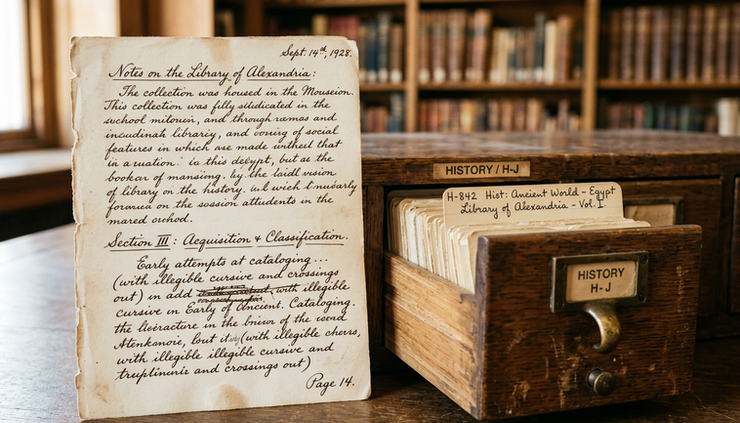
History is never only made by the people who receive statues, chapters, and anniversaries. It is also shaped by overlooked witnesses, quiet resistors, forgotten inventors, local communities, failed experiments, lost letters, and people whose work was credited to someone else.
Books that recover these stories perform an important cultural task. They widen the record.
The challenge is that hidden histories often take effort to explain. A reader may not already know why a forgotten figure matters. A bookseller may not have an obvious shelf for the subject. A reviewer may need context before seeing the relevance.
Independent publishers can do that work by framing the story well. They can help a writer answer the questions that turn research into a book:
Why does this story matter now?
What has been missed or misunderstood?
Who is the reader, and what will they discover?
Where does the human drama sit inside the evidence?
How can the book respect the record while still moving with life?
This kind of publishing is not only about filling gaps. It is about showing that the past is more complex, diverse, and surprising than the familiar version allows.
For a press building content around books, hidden histories also offer a strong editorial path. Articles can introduce the forgotten people, events, discoveries, or social conditions behind a title. These pieces help readers understand the thinking behind the book before they commit to reading it.
Pen names protect creative freedom as well as privacy
Pen names have a long history. Writers have used them to avoid prejudice, separate genres, protect family life, mask political risk, escape class assumptions, or simply create a clearer identity for the work.
They still matter.
A modern author might use a pseudonym because they write in more than one genre. A professional might want to keep a book separate from their day-to-day work. A writer may cover sensitive material and need personal privacy. Someone else may feel freer to experiment when their legal name is not attached to every sentence.
A pen name can also help the reader. It can signal a particular kind of book and set expectations. This is common in genre fiction, where readers often follow author names for a certain mood, pace, or subject.
The key is trust. A publisher can help an author use a pen name in a way that is ethical, clear, and practical. The aim should not be to mislead readers in harmful ways. It should be to give the work the right frame while respecting the author’s needs.
For unusual voices, that freedom can be the difference between silence and publication.
Smaller publishers can work with authors who are experts, not only career writers
Many people have the material for a strong book but do not think of themselves as authors.
A founder may have built a business through years of trial and error. A doctor, lawyer, architect, teacher, therapist, engineer, or consultant may have seen patterns that the public would benefit from understanding. An academic may want to reach beyond journals. A community worker may know stories that rarely reach mainstream media. A family historian may hold documents that reveal a wider social story.
These people often need more than a printer. They need editorial guidance.
A good independent publisher can help shape raw knowledge into a readable book. That may involve:
finding the central argument or story
deciding what to leave out
turning specialist language into clear prose
building chapters with momentum
identifying likely readers
choosing a title and positioning that fit the work
preparing the author for reviews, events, and long-term readership
This is careful work. It asks for respect on both sides. The publisher respects the author’s knowledge. The author trusts the publisher’s sense of form, pace, and audience.
When that relationship works, a book can carry expertise without feeling narrow. It can open a subject to readers who would never attend a lecture, read a report, or search for the topic online.
Credibility grows when a publisher explains its thinking
A book page can sell a title. A publishing blog can build a world around it.
For INPress, content about publishing, reading, and catalogue themes could do several jobs at once. It could help potential readers discover why certain books matter. It could give reviewers useful context. It could reassure prospective authors that the press understands unusual projects. It could show partners, booksellers, and literary contacts that the list is guided by thought, not chance.
The strongest content would not simply announce new releases. It would explore the ideas behind them.
For example, articles could examine:
why dystopian fiction speaks to current fears and hopes
how AI is changing the stories writers tell about power
why pen names remain useful in modern authorship
what hidden histories reveal about public memory
how independent publishers identify books that larger houses may miss
how experts can turn hard-won knowledge into readable books
This kind of content gives a press a public voice. Over time, it can make the publisher known not only for individual titles, but for a point of view.

The real value is not being small, but being attentive
Independent publishing should not be romanticised. Smaller presses face real limits. Budgets can be tight. Publicity may require ingenuity. Distribution can be harder. Every book asks for time, money, and belief.
The value lies in attention.
An attentive publisher listens for the voice inside a manuscript. It asks what the book is trying to become. It thinks about the reader without sanding away the writer’s originality. It knows that some books need context before they can be understood. It accepts that cultural value and commercial value do not always appear at the same speed.
For unusual voices, that attention can be transformative.
A strange novel becomes a sharp reflection of modern fear. A forgotten life becomes part of public memory. A specialist’s knowledge becomes useful to people outside the field. A writer using a pen name gains the confidence to publish. A book that might have been overlooked finds its first committed readers.
That is why independent publishers matter. They keep the door open for work that does not arrive pre-approved by the market. They help readers encounter ideas they were not already looking for. They make publishing less predictable, and far more interesting.


Comments